

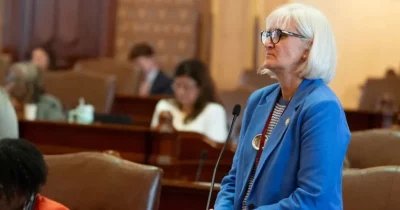
Illinois sexy self-discipline the bar for reveal-stage AI regulation, and it’s not a low one. Senate Invoice 315, the Artificial Intelligence Security Measures Act, sailed by the reveal Senate with a 52-5 vote, constructing what quantities to the most aggressive AI oversight framework any US reveal has attempted.
Governor JB Pritzker has mentioned he’ll imprint it. When he does, firms building the most extremely efficient AI methods on this planet, agree with OpenAI, Anthropic, Google, Meta, and xAI, will face significant annual fair audits of their safety practices and be required to characterize on their objects’ catastrophic possibility capabilities.
What the bill truly does
The bill requires spacious AI builders to put up to Third-birthday celebration verification of their safety standards each year. Now not a self-evaluate. Now not a blog post about “to blame AI.” An true fair audit, conducted by any individual who doesn’t hold stock alternatives in the firm being reviewed.
It also mandates that these firms whine the catastrophic possibility capabilities of their objects. If your AI draw could moreover theoretically be feeble to reason spacious-scale damage, you potentially can hold to expose of us about it, formally and on the characterize.
The legislation is segment of a broader equipment of eight AI-centered bills transferring by Illinois. The reveal has already signed a ban on AI in therapy help in August 2025, and it’s been advancing protections for digital replicas.
A commerce neighborhood representing about a of the important thing AI firms has hostile substances of the legislation, particularly around liability provisions. That opposition didn’t exactly carry the day, given the lopsided 52-5 Senate vote.
Why this issues beyond Springfield
Hiss-stage regulation has a humorous system of changing into national protection by default. California’s privacy regulation, CCPA, successfully self-discipline the identical outdated for the total nation because firms chanced on it less complicated to comply universally than to help 50 diverse compliance regimes. Illinois could moreover very neatly be playing the identical game here.
If you happen to’re OpenAI or Google, you’re not going to form a separate, Illinois-finest safety audit pipeline. You’re going to audit every little thing and apply the components firm-wide. Which suggests SB 315’s necessities could moreover functionally turn into the baseline for frontier AI safety practices at some stage in the US, regardless of what Congress does or doesn’t manufacture.
The crypto and decentralized AI angle
The audit and transparency mandates in SB 315 could moreover procure meaningful tailwinds for decentralized AI initiatives that bake verifiability into their architecture from the ground up. Blockchain-primarily based fully AI methods, where model training data, resolution logs, and safety testing outcomes will also be recorded on immutable ledgers, could moreover all straight away survey less esteem niche experiments and more esteem compliance-ready decisions.
Third-birthday celebration auditing is truly a trust teach, and trust issues are what blockchain skills change into once designed to address. On-chain verification of safety compliance could moreover theoretically provide the manufacture of persevering with, tamper-proof audit sprint that SB 315 envisions, without requiring a unusual military of human auditors to descend on AI labs every Twelve months.
Investors should survey two issues carefully. First, whether or not other states apply Illinois with identical legislation, which would lengthen the compliance burden and flee the gaze for ambiance friendly audit solutions. 2nd, whether or not any of the important thing AI commerce groups mount factual challenges to SB 315’s liability provisions, which can per chance moreover delay implementation and procure uncertainty at some stage in the sector.
Disclosure: This text change into once edited by Editorial Team. For more data on how we procure and overview scream material, gape our Editorial Policy.
