

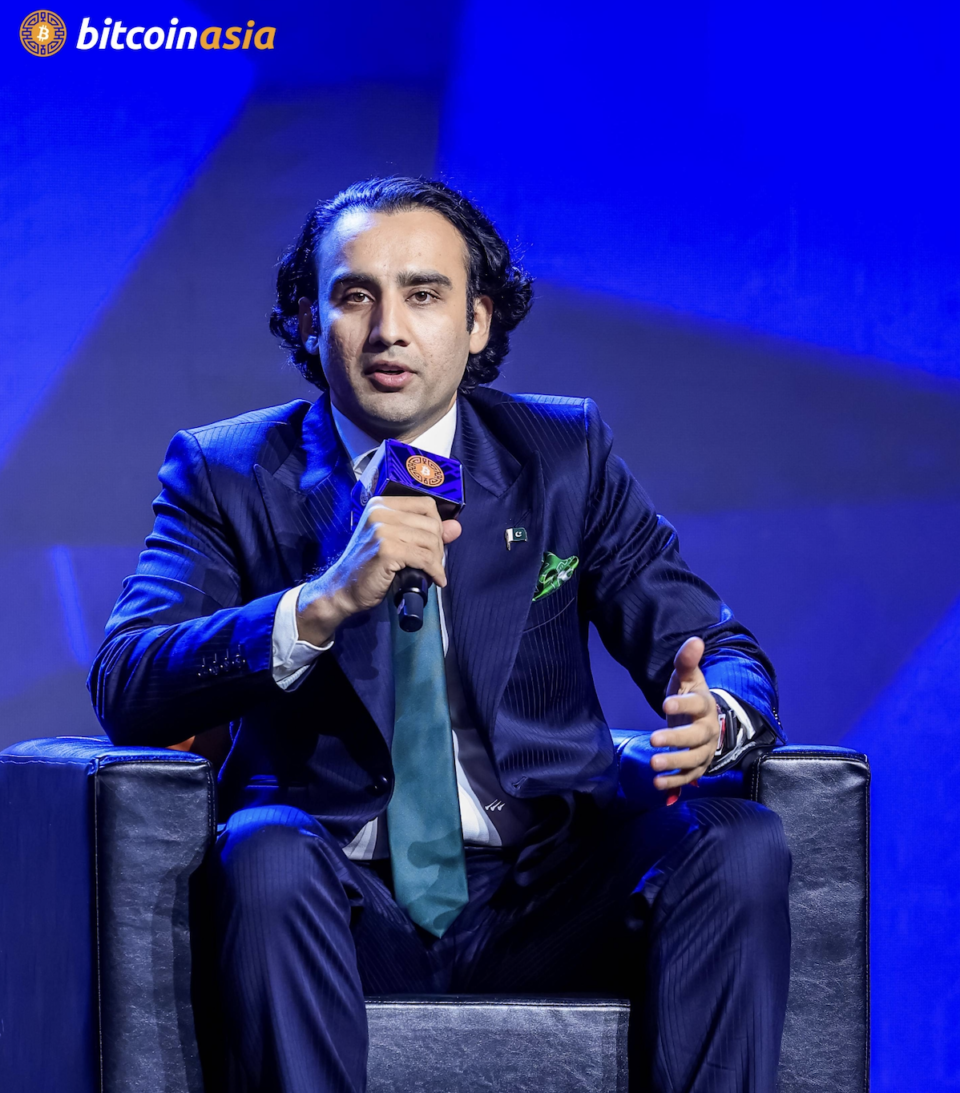
Pakistan has established a digital asset regulatory framework in less than six months, using approximately $200,000, or 8% of the budget approved for the project, according to Bilal Bin Saqib, the country’s Minister of State and chairman of the Pakistan Virtual Assets Regulatory Authority (PVARA).
Speaking at Bitcoin Asia in Hong Kong on August 28, Saqib said the remaining 92% of the allocated budget had not been spent. He argued that public-sector performance should be judged by delivery rather than expenditure, saying governments should measure success by “how much it delivers.”
Framework moves from legislation to licensing
Pakistan has moved from primary legislation to notified rules and a live licensing regime in under six months. The system creates a formal route for companies operating in the digital asset sector, including exchanges, custodians, brokers, asset managers, lending platforms and settlement providers.
The framework also introduces requirements covering corporate governance, anti-money laundering and counter-terrorist financing, protection of customer assets, cybersecurity and market conduct. For Pakistan, the rules mark a shift toward bringing cryptocurrency and other digital asset activity into the formal financial system.
Government model focused on speed and structure
Saqib presented PVARA’s approach as an example of how governments can respond to rapidly developing technology without sacrificing accountability or consumer protection. He said the authority relied on smaller teams and technology-driven workflows rather than a large bureaucratic structure.
“Technology is moving at machine speed. Government has to learn to move much faster without compromising structure, accountability or consumer protection,” Saqib said. He also warned that speed without institutional safeguards could be dangerous, while excessive process could make regulation irrelevant.
Policy ambitions extend beyond crypto markets
Pakistan’s plans extend beyond the current digital asset industry. Saqib identified tokenized markets, programmable payments, stablecoins, machine-to-machine commerce and artificial intelligence agents as areas that could shape the next financial system.
That outlook raises questions about responsibility and compliance when AI systems conduct transactions for people, businesses or other machines. Saqib said future regulation may need to address delegated authority, financial accountability and how anti-money laundering controls apply to automated transactions.
With a population of more than 240 million, Pakistan is seeking to position itself as an early participant in this emerging financial infrastructure. The immediate challenge for PVARA will be attracting legitimate digital asset businesses while enforcing the oversight and consumer safeguards built into the new regime.
